Walmart opens its store to AI shopping agents with Agent Gateway and per-agent spending limits
Walmart's Agent Gateway lets approved AI agents search and buy for shoppers, who can set approvals or spending limits, while agents never see payment details.
What changed
Walmart has opened its online store to outside AI shopping agents through a new service called Agent Gateway. Chief executive John Furner presented it on 21 October 2026 at the Masters of Scale Summit in San Francisco. The gateway is an MCP server, using the open protocol that lets AI assistants call external tools, and approved agents can use it to search Walmart and Sam's Club inventory and place orders for a shopper.
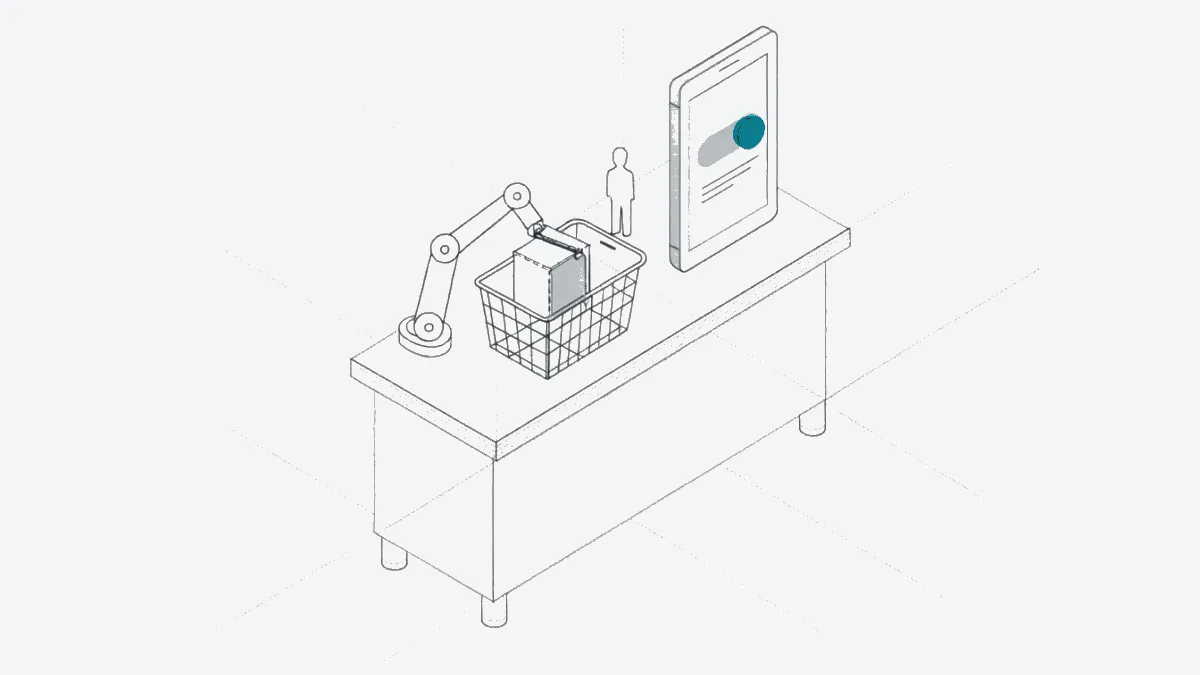
A companion feature, Agent Profiles, is due in customer accounts next month. Each agent that shops for a customer gets its own profile, created the first time it buys through the gateway, and its orders are listed separately. The shopper can require approval for every purchase or pre-authorise spending up to a limit, and can delete the profile at any time. Walmart likens this to adding an authorised user to a credit card. Any Walmart account holder can use it; a Walmart+ membership is not needed.
Walmart has also set terms for the agents. They may not act beyond what the shopper asked for, may not access payment information, and may use only the data the task needs. Walmart's normal returns process applies when an agent gets an order wrong, and agents that break the terms will be blocked. The retailer already works with Meta's Muse agent and offers integrations with ChatGPT and Gemini.
The approach contrasts with Amazon, which has begun blocking AI agents from buying on its site. For online merchants, Walmart offers an early, large-scale template for agent checkout: the agent never holds card details, the retailer keeps the customer account and stored payment credential, and approvals and limits stay with the shopper. That model shapes how fraud screening, disputes and returns work when the buyer at the keyboard is software.
What merchants must do
Decide whether to allow, limit or block AI agents at checkout, and flag agent-placed orders separately in your order and fraud data. Review fraud rules, dispute evidence and returns policy for orders placed by an agent the customer authorised. Keep payment credentials on your side and use shopper approvals or spending limits instead of sharing card data with agents.